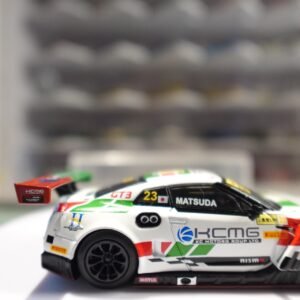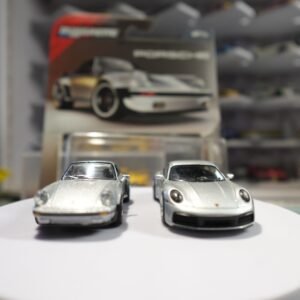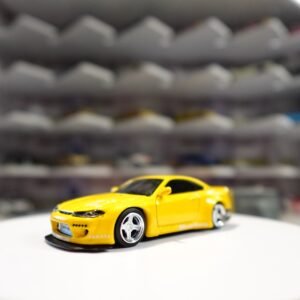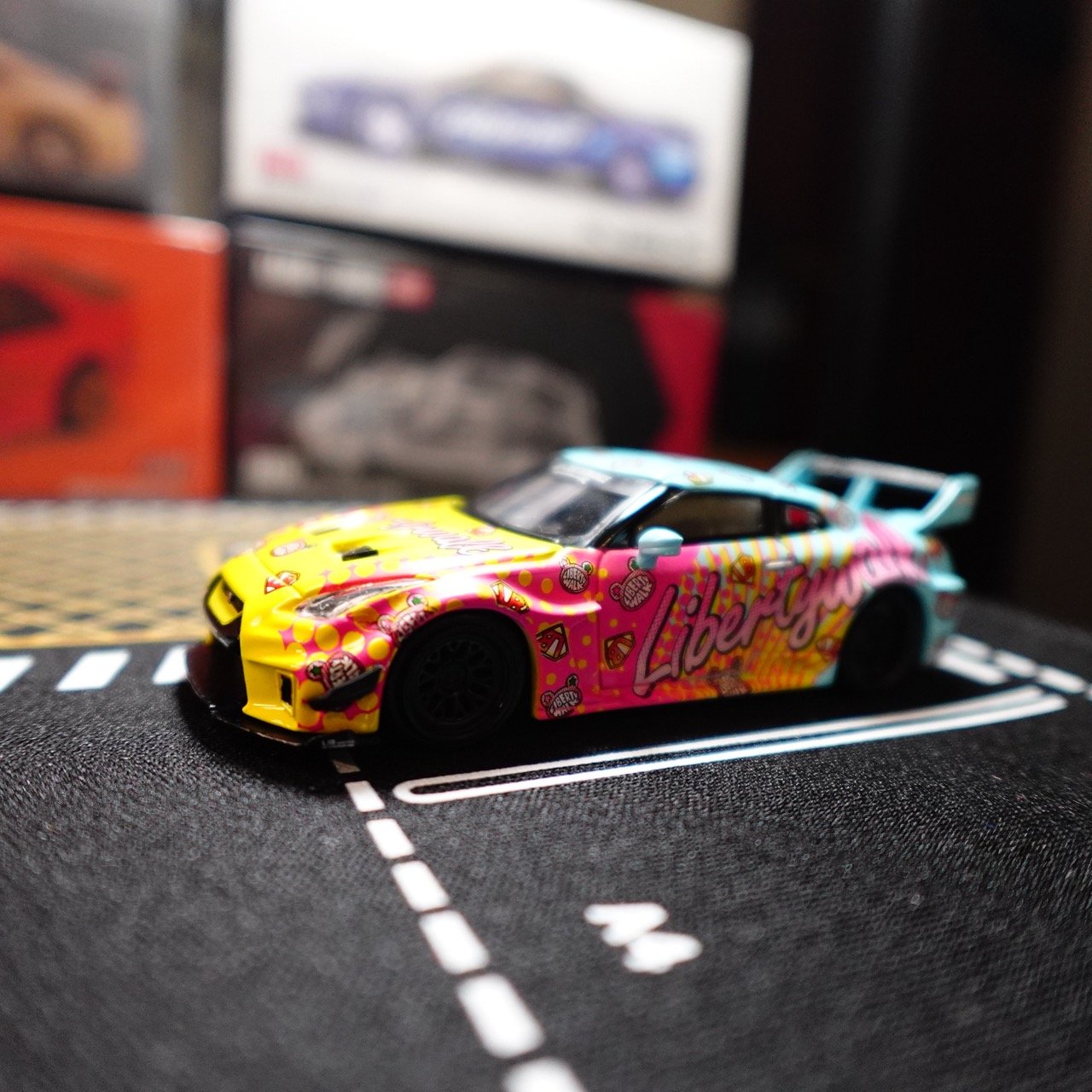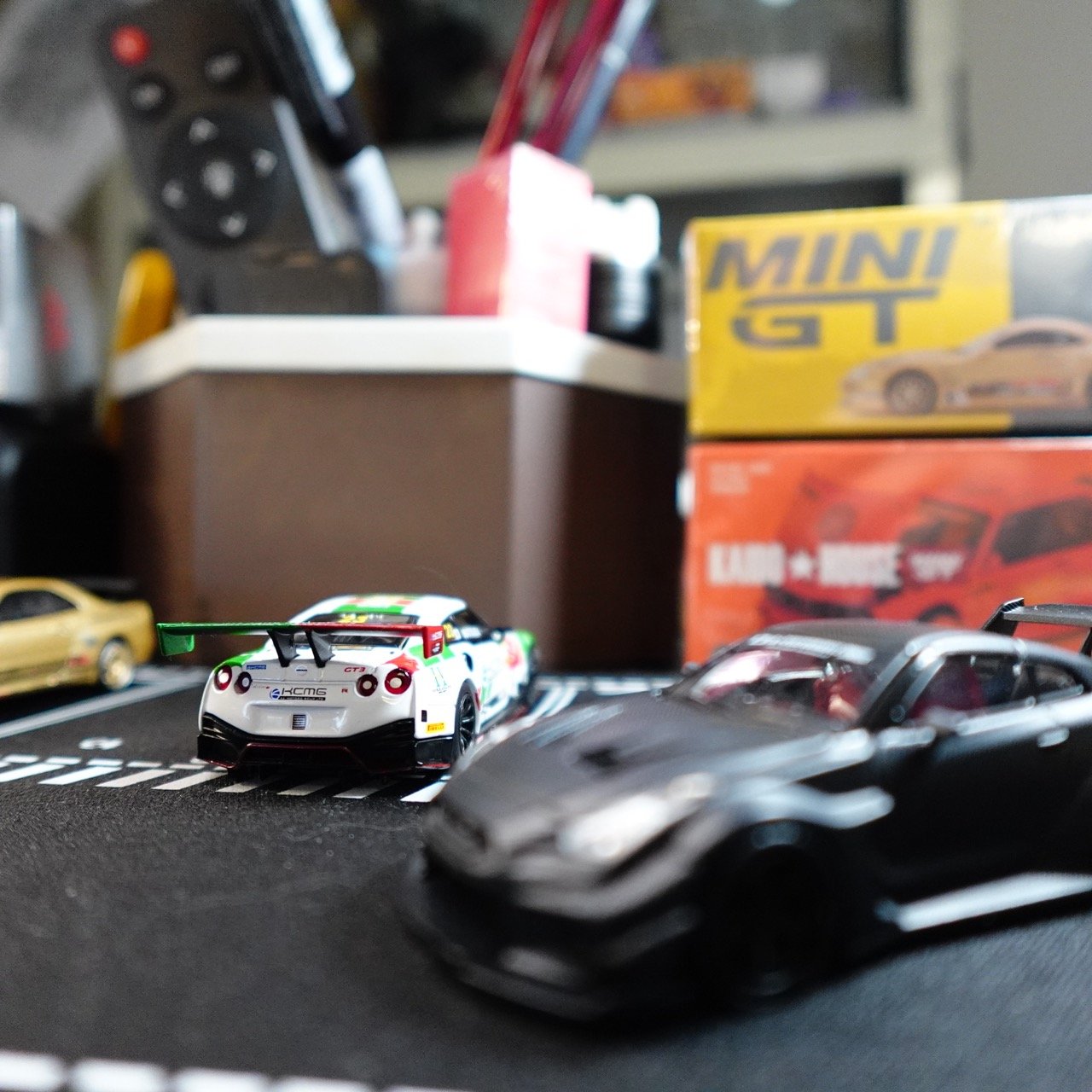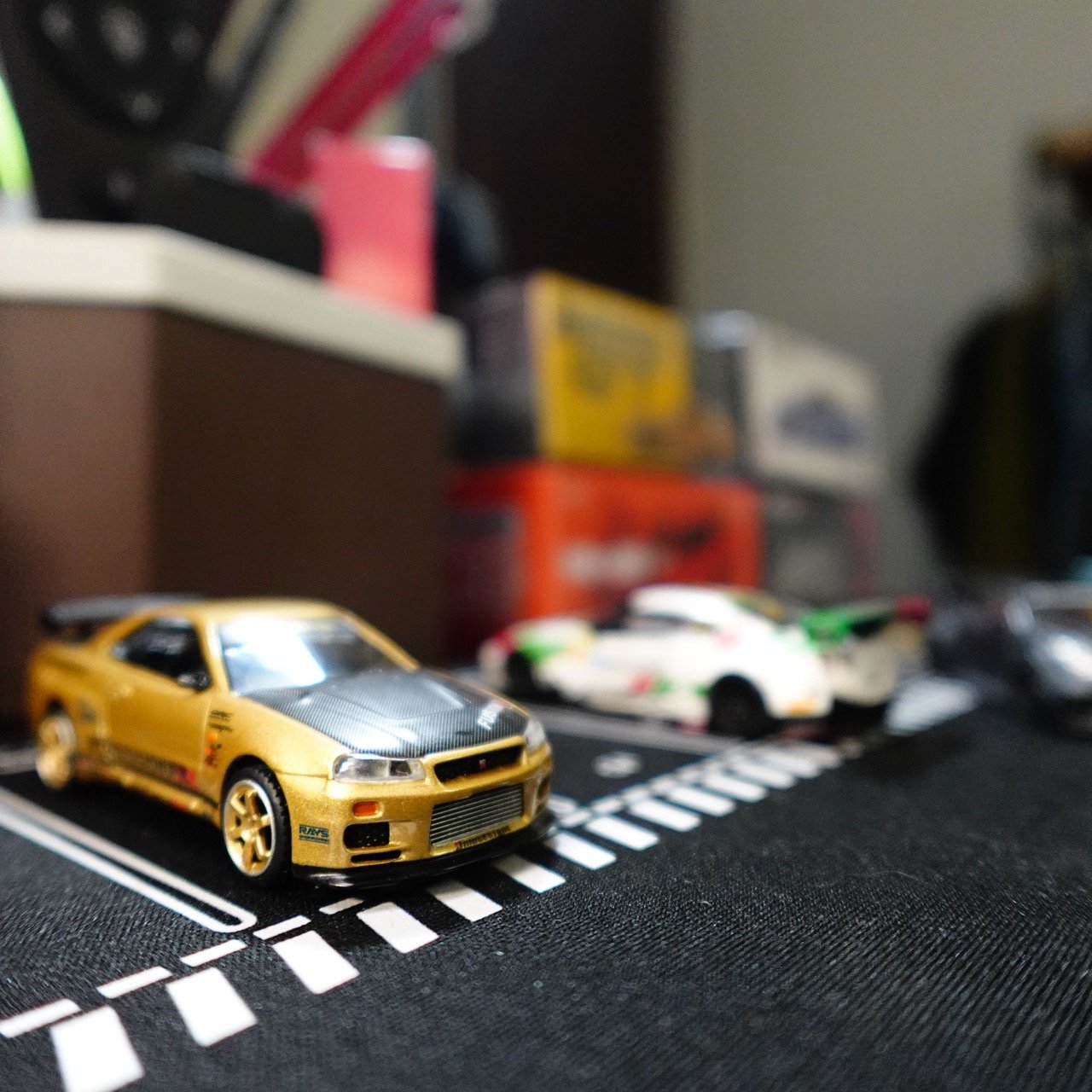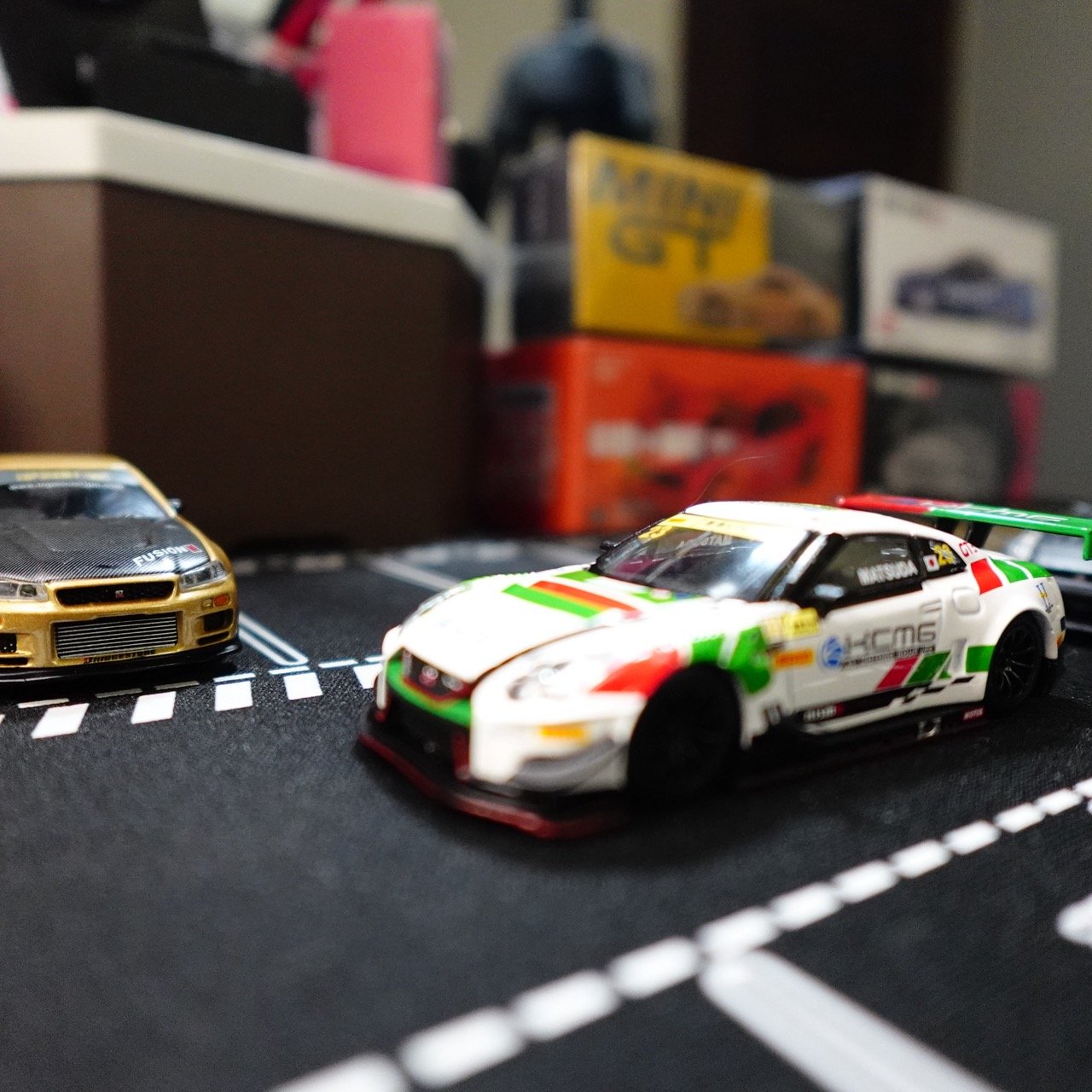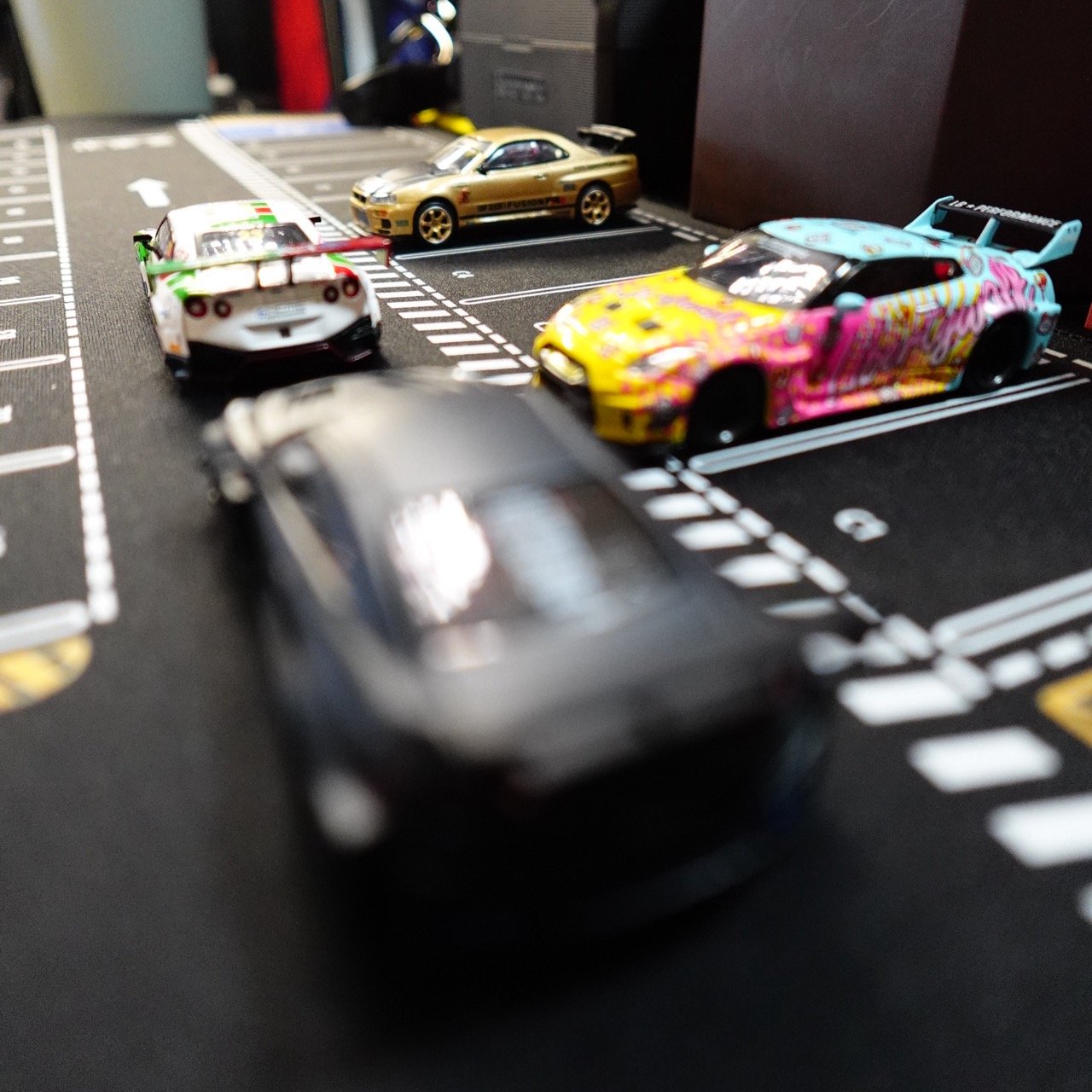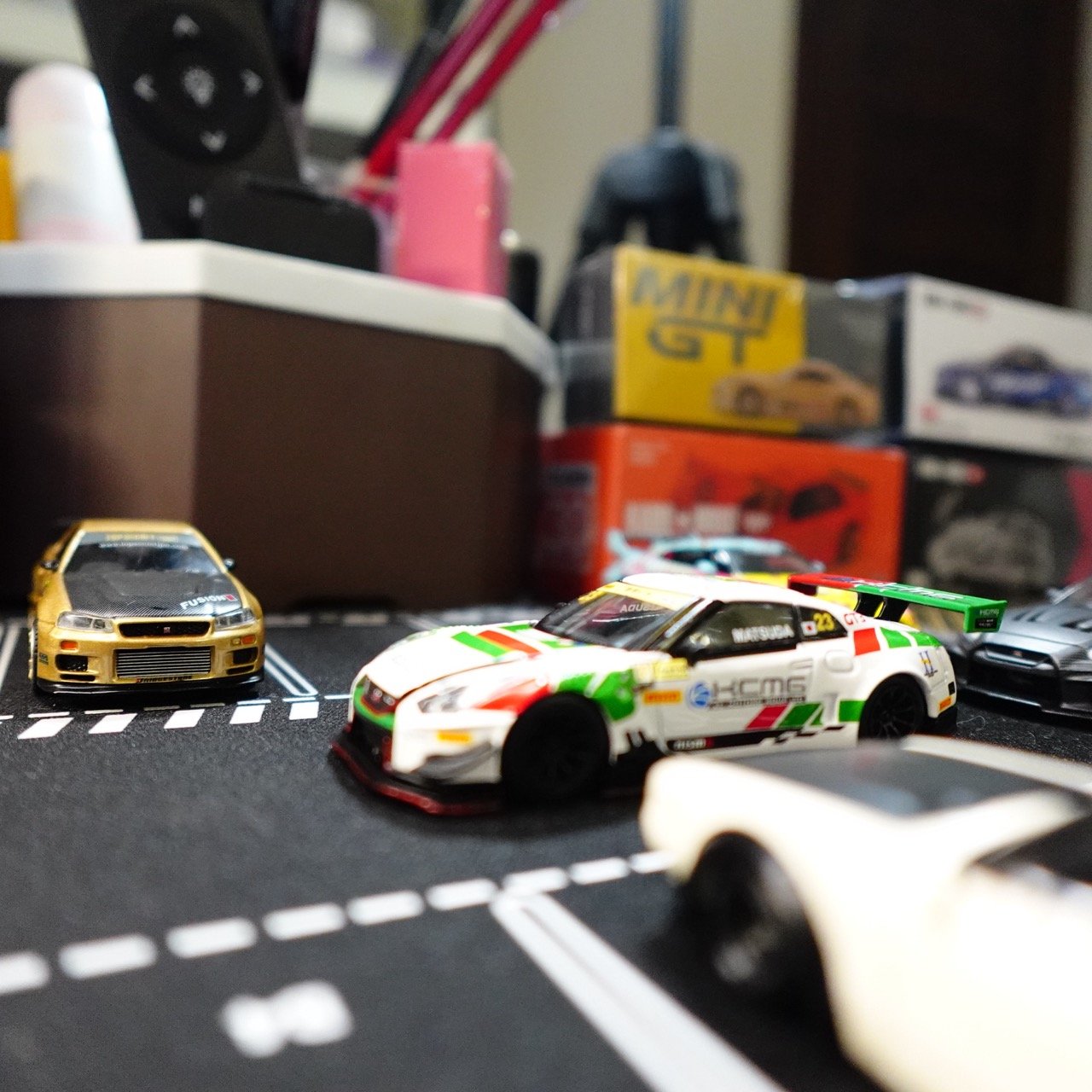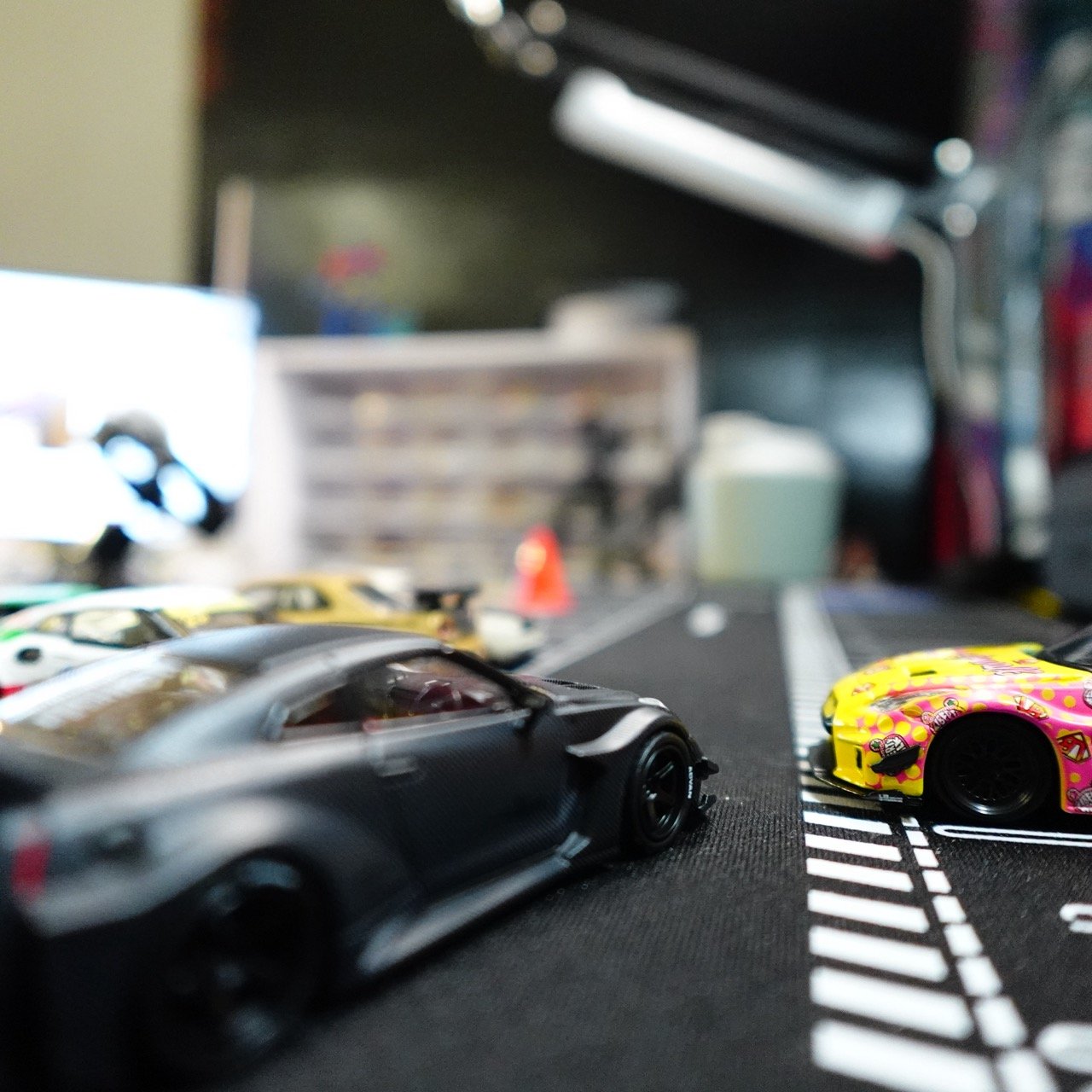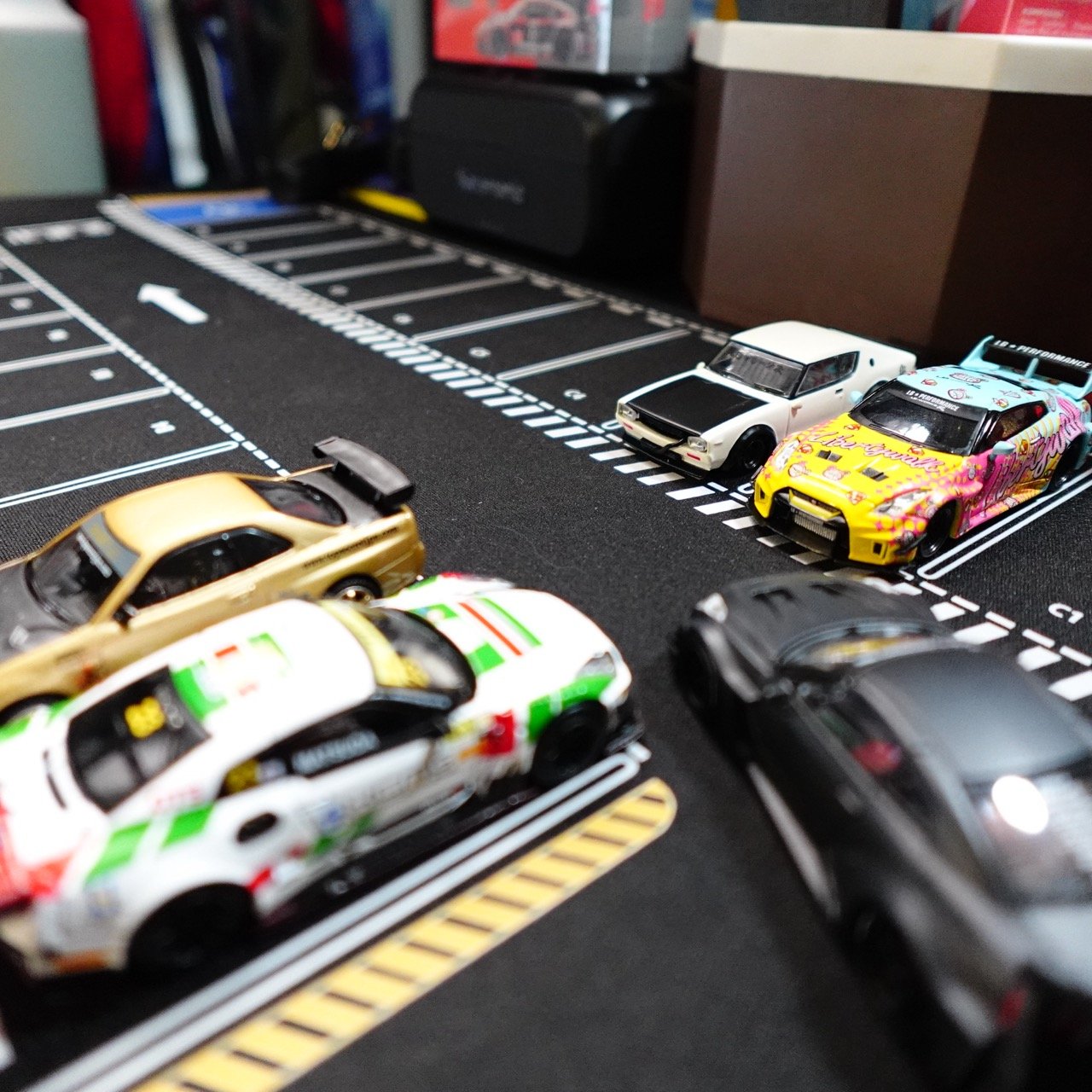
When it comes to Japanese performance legends, few names echo louder than the Nissan GT-R. From the refined R33, the cult-favorite R34, to the modern powerhouse R35, the GT-R series is more than just a car—it’s a symbol of engineering brilliance and racing heritage. And for diecast collectors, these icons have taken a new life in 1:64 scale, thanks to brands like Mini GT Indonesia.
The GT-R Legacy: R33 to R35
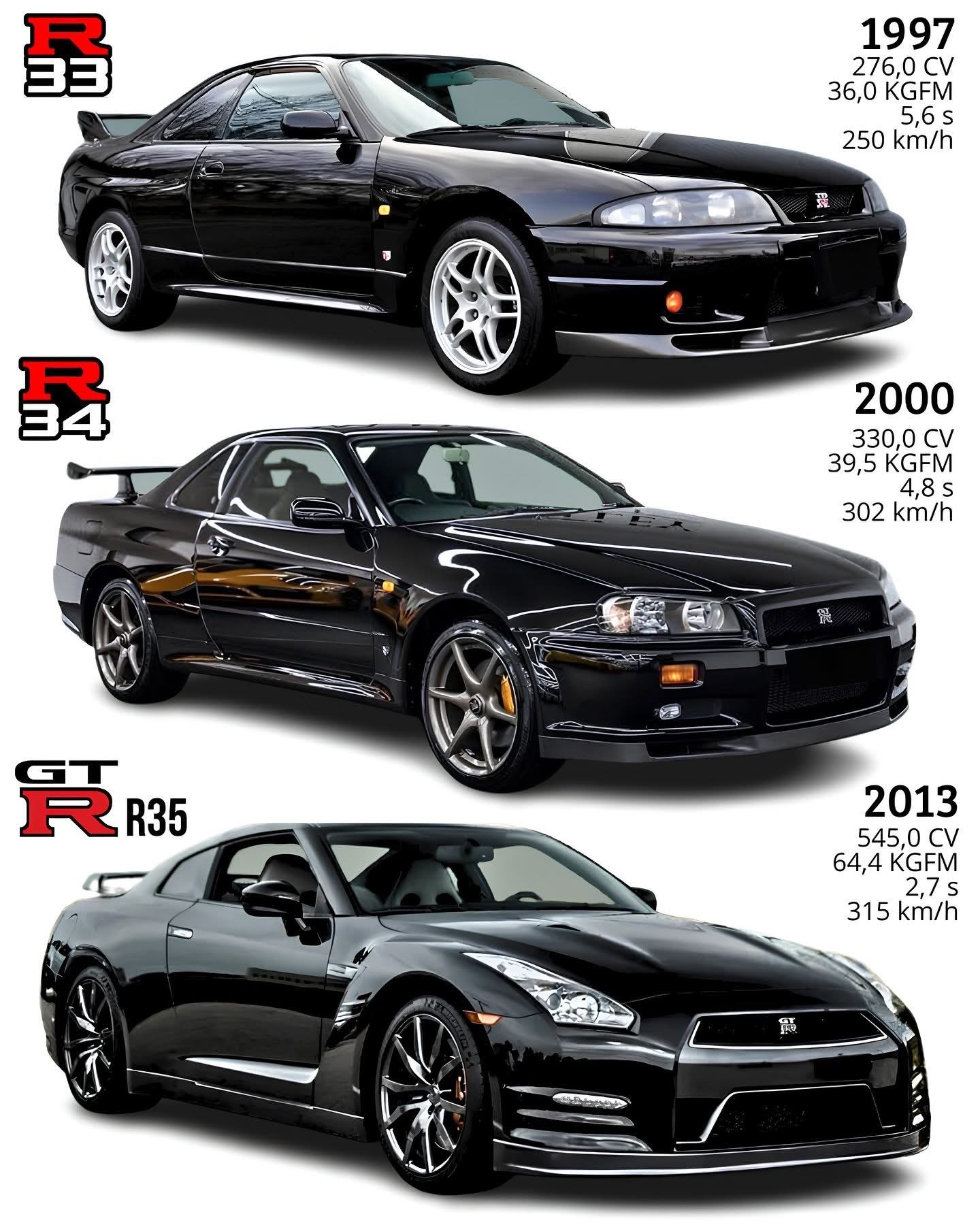
The R33 GT-R, launched in 1995 and highlighted here in its 1997 spec, was an evolution of the R32. It offered enhanced stability, improved aerodynamics, and retained the legendary RB26DETT engine with 276 horsepower. Though often overshadowed by its successor, the R33 was the first GT-R to officially break the 8-minute barrier at Nürburgring.
Then came the R34 GT-R in 1999, widely regarded as the peak of the RB26 era. With 330 PS and sophisticated ATTESA AWD and Super-HICAS rear-wheel steering systems, it combined brute force with precise control. Its presence in games like Gran Turismo and movies like Fast and Furious catapulted the R34 into pop culture stardom.
By 2007, Nissan introduced the R35 GT-R—a completely reimagined supercar killer. No longer under the Skyline nameplate, the R35 featured a hand-built 3.8L twin-turbo V6 pushing over 540 PS by 2013, shattering acceleration records with a 0-100 km/h time of just 2.7 seconds. The R35 proved Japan could rival Europe’s elite.
Mini GT Indonesia and the GT-R Diecast Phenomenon
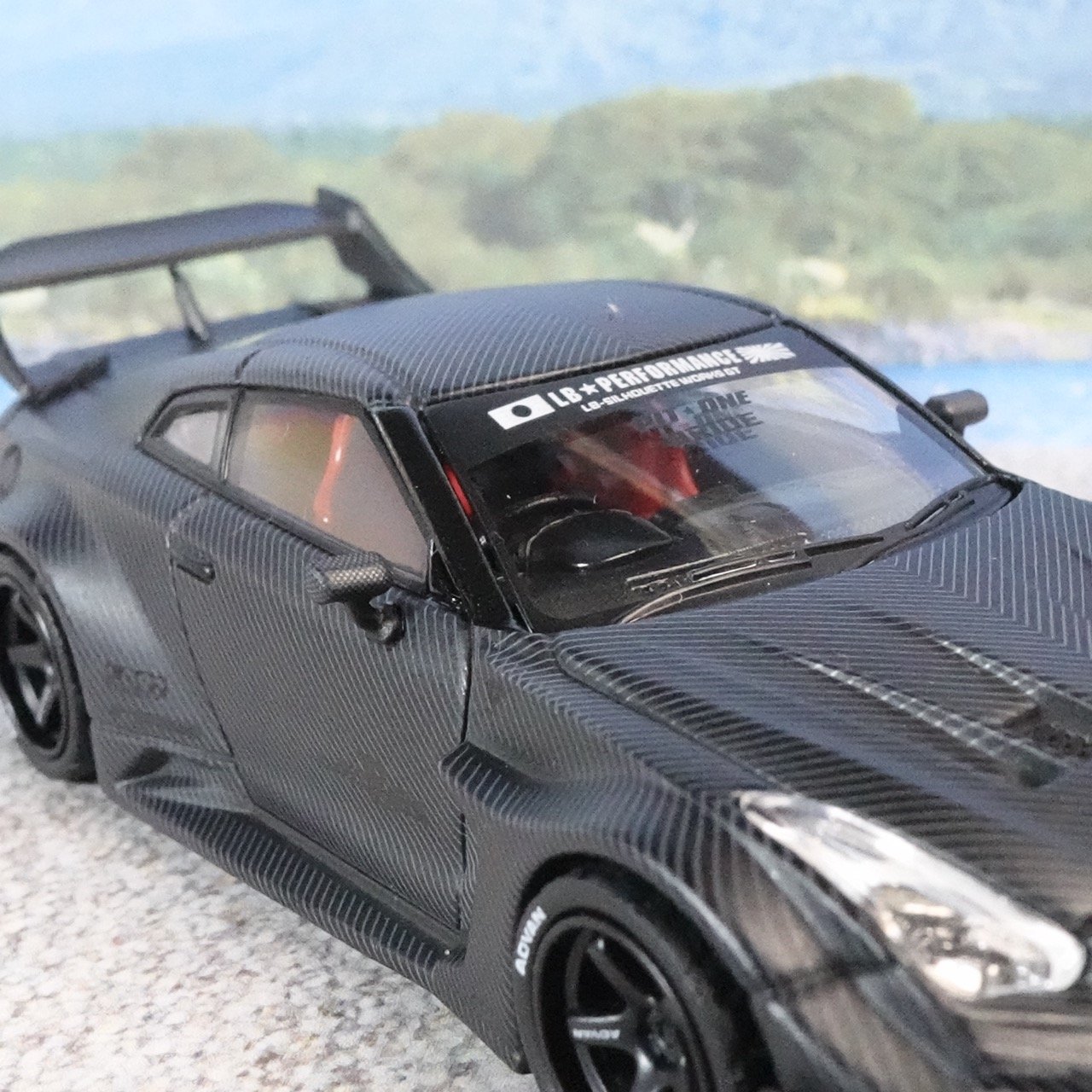
The rise of Mini GT Indonesia coincided perfectly with a global boom in premium 1:64 diecast collecting. Unlike older models that prioritized playability, Mini GT focused on collectors—offering licensed replicas with breathtaking detail, rubber tires, accurate proportions, and true-to-life liveries.
One of the highlights of Mini GT’s early success was its decision to use the Nissan GT-Rs as part of their core tooling strategy. The R35, being a modern marvel, came first—decked out in NISMO trims and custom liveries. But Mini GT didn’t stop there. The R34, often finished in iconic Bayside Blue, and even the R33, made rarer appearances to satisfy nostalgic fans.
Why Indonesian Collectors Love the GT-R
Indonesian collectors are passionate, knowledgeable, and deeply connected to JDM culture. The GT-R, with its mix of power, rarity, and motorsport pedigree, naturally fits their taste. Through Mini GT Indonesia, these enthusiasts now have access to authentic, affordable, and beautifully crafted scale versions of their dream cars.
Notably, Indonesia has emerged as one of Mini GT’s strongest markets. Many exclusive releases are now distributed locally, and the community continues to grow through events, online marketplaces, and collector clubs.
Conclusion
The Nissan GT-R series has gone from dominating circuits to dominating display shelves—and Mini GT Indonesia has played a crucial role in this transformation. Whether it’s the underappreciated R33, the beloved R34, or the futuristic R35, each model reflects a chapter in Japan’s performance history. And thanks to Mini GT’s dedication, every collector can now hold a piece of that legacy in their hands.
From Legends to Miniature Icons

Add comment
You must be logged in to post a comment.